

Moroccan Spices in Winter: What Makes Fez Cuisine So Comforting
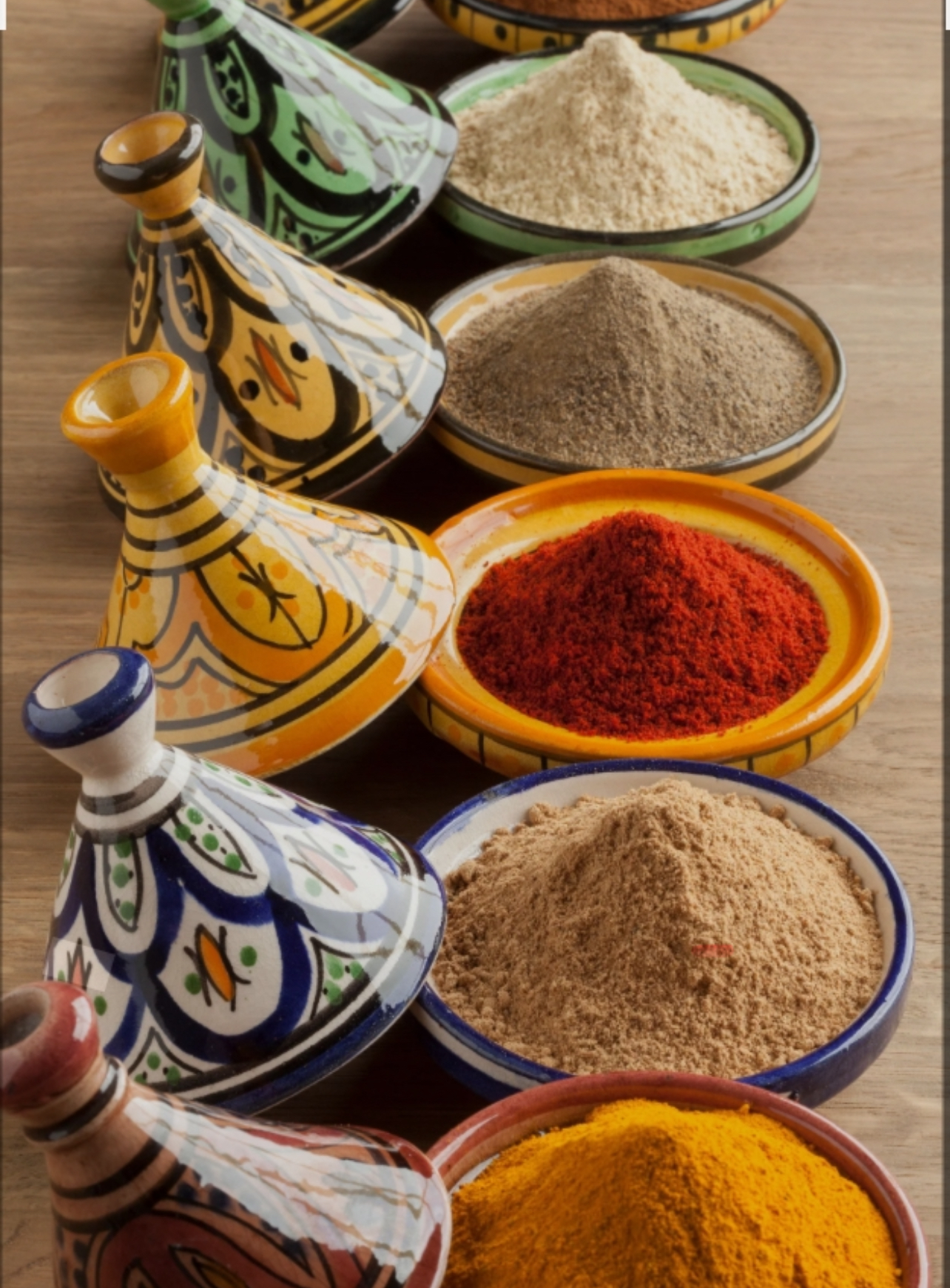
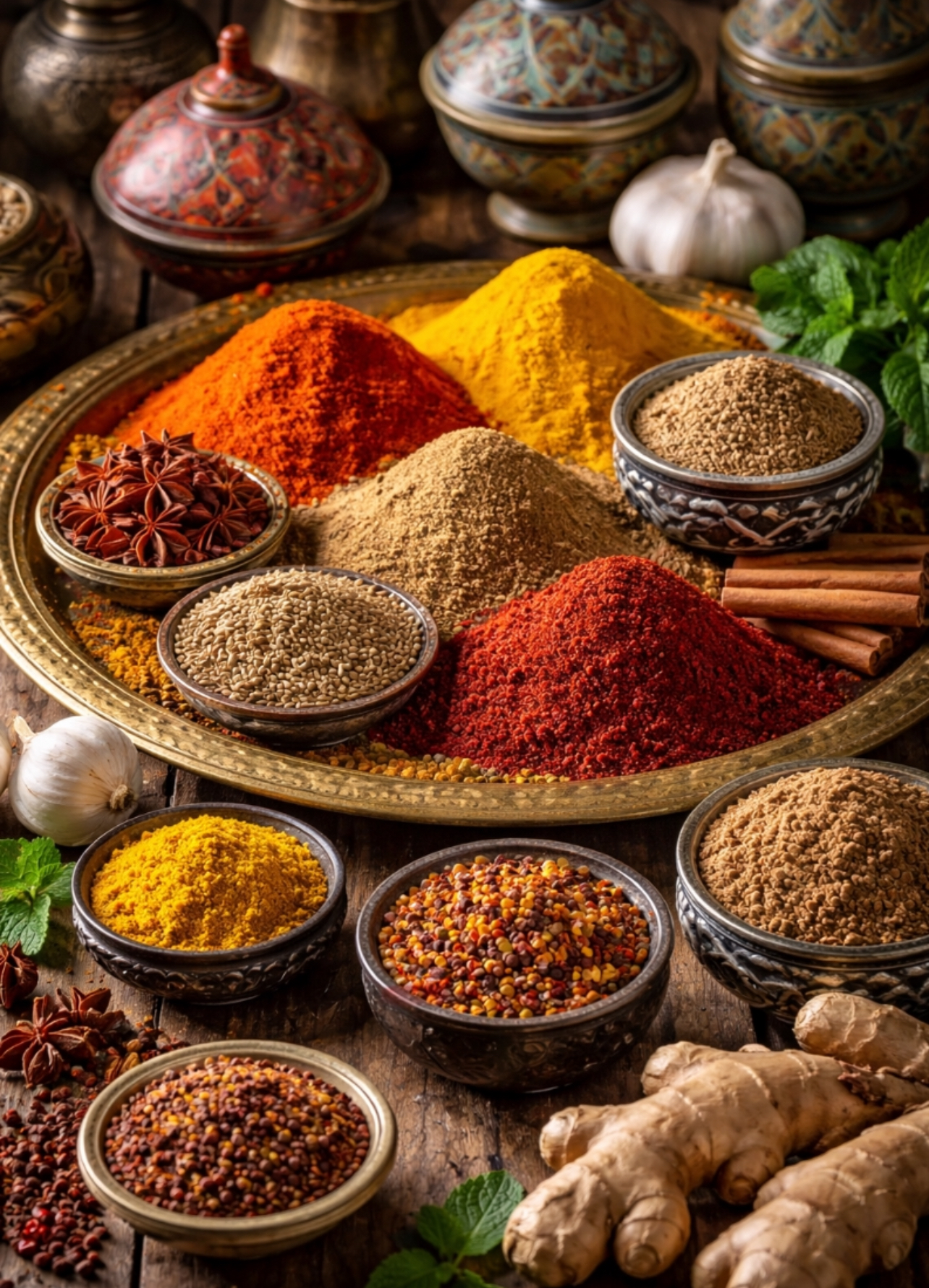
Winter in Fez calls for warmth on the streets, in the home, and especially in the kitchen. Moroccan cuisine, deeply rooted in centuries of tradition, is known for its comforting flavors, rich aromas, and nourishing qualities. At the heart of this culinary magic are spices, carefully blended not just for taste, but also for well-being.
In Fez, winter cooking is about balance, depth, and gentle heat—perfect for the colder months.
Why Moroccan Cuisine Feels So Comforting in Winter?Unlike spicy cuisines that rely on heat alone, Moroccan food uses warming spices that slowly build flavor and warmth from within. These spices stimulate digestion, boost immunity, and create a sense of comfort that is ideal for winter.Fez, as Morocco’s culinary capital, is where these traditions are preserved and celebrated.
Ras El Hanout: The Soul of Moroccan Cooking
Often described as the “king of spices,” Ras el hanout is a complex blend that can contain 20 to 30 spices, each mixed differently depending on the spice merchant.Common ingredients include:
- Cinnamon, cardamom, cloves, nutmeg, ginger, turmeric….
In winter, ras el hanout is used in slow-cooked tagines, couscous, and stews, creating deep, comforting flavors that warm both body and soul.Health benefits:
- Supports digestion, provides anti-inflammatory properties, promotes overall balance and warmth
Cumin: Earthy, Warm, and Essential
Cumin is one of the most widely used spices in Fez kitchens. Its earthy, slightly smoky flavor brings warmth to dishes without overpowering them.Winter uses:
- Lentil soups, vegetable tagines, meat dishes, fish Tajines …
Health benefits: Aids digestion, reduces bloating and supports gut healthCumin is especially valued in winter for its ability to make rich foods easier to digest.
Ginger: Gentle Heat from Within
Fresh or dried, ginger is a cornerstone of winter cooking in Fez. It adds a subtle heat that warms the body without overwhelming the palate.Winter uses:
- Chicken and meat tagines, soups and broths,herbal teas
Health benefits: Boosts circulation, strengthens the immune system and helps fight colds and fatigue.
Turmeric: The Golden Winter Spice
Known for its vibrant color and mild earthy taste, turmeric plays both a culinary and medicinal role in Moroccan cuisine.Winter uses:
- Slow-cooked stews, vegetable dishes, rice and couscous, tajines …
Health benefits: Powerful anti-inflammatory, supports joint health, boosts immunity during colder months…
More Than Flavor: A Tradition of Wellness
In Fez, spices are not just ingredients—they are part of a holistic approach to food and health. Recipes passed down through generations are designed to nourish, comfort, and protect the body during winter.
This is why Moroccan meals feel deeply satisfying long after the last bite.
Experience Moroccan Spices Firsthand at Fez Cooking School
The best way to understand Moroccan spices is not by reading, but by cooking.
A winter cooking class in Fez offers:
- Hands-on use of traditional spices
- Market visits to local spice vendors
- Insights into health-focused Moroccan cooking
Moroccan spices transform winter cooking into an experience of warmth, balance, and care. At Fez Cooking School, every dish tells a story of tradition, hospitality, and the healing power of food. Join us at Fez Cooking School to taste winter the Moroccan way.
Mariem Trifi