

Why Fez is the culinary capital of Morocco
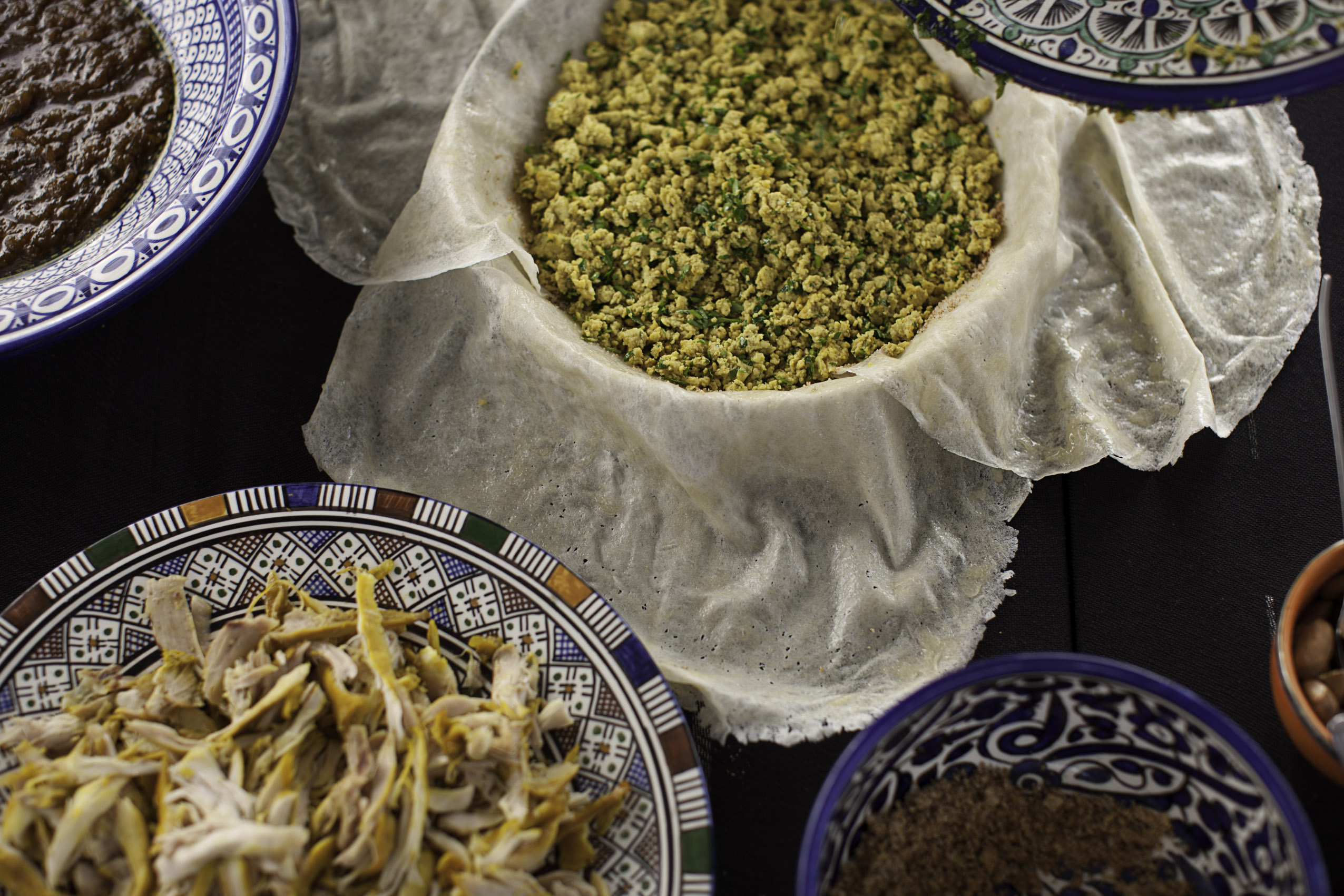

Chefs around the world celebrate Moroccan cuisine for its bold spices, sophisticated techniques, and complex flavours.Yet, of all the country’s cities, Fès stands out for its depth, authenticity, and culinary heritage.
Often referred to as the gastronomic heart of the kingdom, Fès is not just a place to eat well; it is where chefs shaped, preserved, and elevated Moroccan cuisine to an art form.
A City Where Culinary Tradition Was Born
Fez was founded in the 8th century and it quickly became a centre of intellectual, spiritual and cultural influence.As dynasties rose and fell, noble families, Andalusian refugees and Jewish communities settled in the city, bringing with them their own refined culinary traditions.
Over the centuries, these influences have blended to create what is now considered the most sophisticated expression of Moroccan cuisine.
Unlike the rustic regional cooking found elsewhere, Fassi cuisine is known for:
– a delicate balance of sweet and savoury;
– complex spice layering;
– slow, meticulous preparation;
– elegant presentation.
Ultimately, it is a cuisine rooted in patience, technique and heritage.
The legacy of Andalusian influence is one of the key reasons why Fès holds this culinary reputation. When families fled Al-Andalus centuries ago, they brought with them advanced agricultural knowledge, refined table etiquette and intricate recipes.
This influence can still be tasted today in dishes combining:
almonds and cinnamon, orange blossom and honey, poultry with preserved lemon, and sweet and savoury pastilla. These are not simple meals — they are historical narratives served on a plate.
The Art of the Fassi Kitchen
Traditional Fassi cuisine is often associated with grand family gatherings and ceremonial occasions.
Signature dishes include:
– Pastilla: delicate layers of pastry filled with spiced poultry or seafood and dusted with sugar and cinnamon
– Rfissa: slow-cooked chicken with lentils and fenugreek served with shredded msemen
– Seffa: steamed vermicelli or couscous with almonds and powdered sugar
– Rich tagines with prunes, apricots or caramelised onions
Each dish reflects refinement and attention to detail. Recipes are often passed down through generations, specifically among women, who take great pride in preserving ancestral techniques.
A Living Medina of Flavours
The ancient medina of Fez, a UNESCO World Heritage Site, is a labyrinth where culinary life unfolds daily.
Here, you will find:
– spice vendors displaying pyramids of saffron, cumin and ras el hanout;
– artisan bakers preparing traditional breads in wood-fired ovens;
– street stalls serving steaming bowls ofharira;
– fresh herbs bundled in vibrant green stacks.
In short, food in Fès is not confined to restaurants, but it lives in markets, homes and hidden courtyards.
The Capital of Culinary Learning
Fès is also widely regarded as Morocco’s culinary classroom.
Many authentic cooking workshops take place in restored riads, where guests learn the philosophy behind Moroccan gastronomy as well as recipes: balance, generosity, and respect for ingredients.
At places like Fez Cooking School at Palais Amani, culinary experiences go beyond demonstration. Guests can:
– visit local markets with a chef;
– prepare traditional tagines;
– discover Sephardic culinary heritage;
– explore ancient preservation techniques;
– enjoy private tasting menus.
These immersive experiences reinforce Fès’s reputation as the intellectual centre of Moroccan cuisine.
Sephardic and cultural culinary diversity
Another layer of Fès’s culinary identity lies in its historic Jewish community. Sephardic traditions introduced unique flavour combinations and festive dishes that remain part of the city’s gastronomic tapestry.
As a result, the coexistence of these cultures has enriched the culinary scene, creating a diversity that is rarely found elsewhere in the country.
Mariem Trifi