

World Vegetarian Day in Fès: Discovering the Richness of Moroccan Vegetarian Cuisine
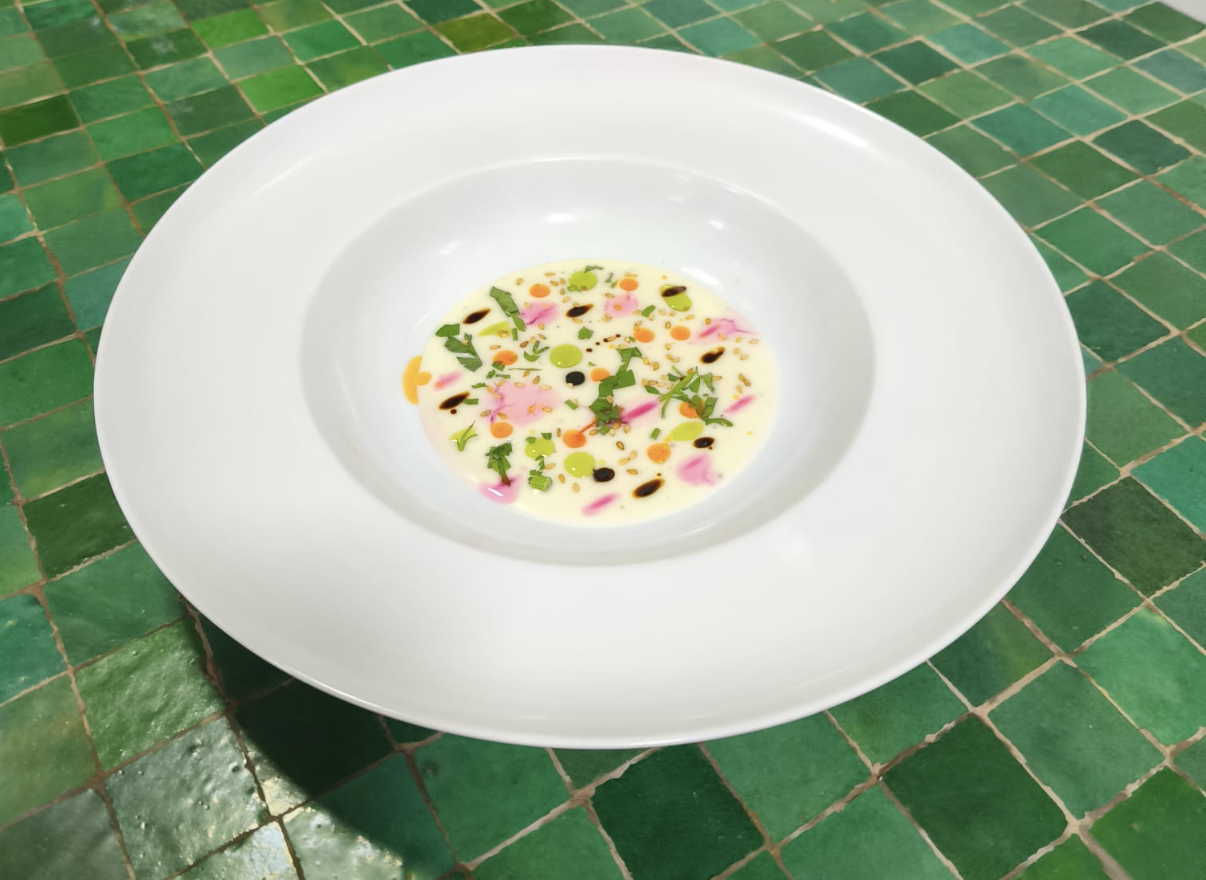

In the heart of Fès, Fez Cooking School offers travelers the opportunity to discover this culinary heritage through an authentic and hands-on experience.
A Vegetarian Journey Through the Flavours of Morocco
To begin withn, a visit to the local souk is often the first step in discovering this culinary world. Walking through the colourful stalls, you can find an extraordinary variety of fresh vegetables, fruits, herbs, olives, and spices; ingredients that Moroccan families have used in their kitchens for generations.”
From there, the journey continues at Fez Cooking School, where experienced chefs transform these simple ingredients into dishes that reflect the character and traditions of Fès.
From the Souk to the Cooking School
Selecting fresh ingredients from the souk offers an introduction to the seasonality and diversity of Moroccan produce. At the same time, It provides the opportunity to discover ingredients that may be unfamiliar to international visitors and learn how they are traditionally used.
Once back at the cooking school, the experience becomes truly hands-on.Under the guidance of experienced chefs, guests can learn traditional techniques, discover the secrets behind Moroccan seasoning, and prepare dishes inspired by the flavours of the region.
The Art of Moroccan Vegetarian Cooking
From vegetable tagines and fragrant couscous to salads, soups, and delicious Moroccan breads, the cuisine offers countless ways to create satisfying dishes without relying on meat.
Ultimately, what makes the experience particularly special is learning that the essence of Moroccan cooking is not simply about following a recipe. It is about understanding ingredients, balancing flavours, respecting seasonality, and sharing food around the table.
A Taste of Fès
For this reason, Fez Cooking School, guests are invited to experience this heritage for themselves , not simply as spectators, but as participants.
For World Vegetarian Day in particular, this makes the cooking school an ideal place to discover another side of Moroccan gastronomy: one where vegetables, herbs, spices, and grains come together to create dishes that are both colourful and full of character.
More than simply an opportunity to learn how to prepare Moroccan food, a cooking class in Fès is a cultural experience.
Above all, it connects the market with the kitchen, traditional recipes with contemporary travellers, and local ingredients with memories that guests can recreate long after returning home.
So, come hungry, leave inspired, and take a little taste of Fès home with you.
Mariem Trifi